Vintage Oil Painting 2 Baby Chickens Near Water
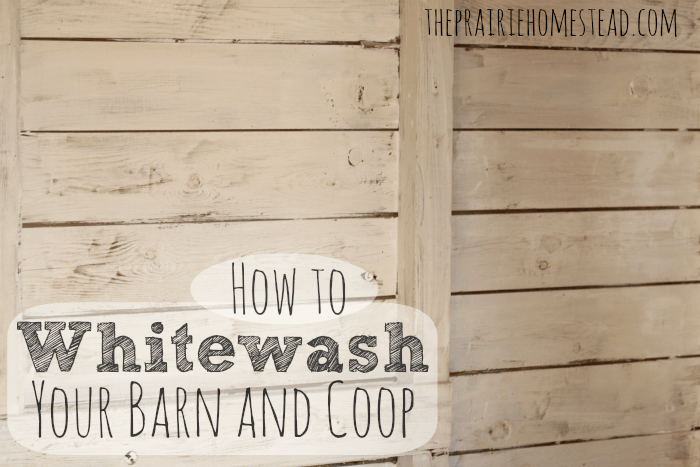
Wanna know how you lot can instantly feel like a homesteading rockstar?
Learn how to whitewash something.
I say this because:
(a) It'll make all your friends give you lot a weird look (I ever enjoy that)
(b) Information technology'due south delightfully old-fashioned
(c) Information technology actually does provide some benefits to your barn/coops (besides just making you experience absurd)
Whenever I think of whitewashing, my listen instantly goes to Tom Sawyer and Huck Finn. Simply before we dive into a bucket of whitewash and learn how to whitewash, let's talk a fleck about why this is something you'd even want to mess with.
What is Whitewash?
Sometimes you'll hear people referring to "whitewash" as simply painting something with white paint, only in the near traditional sense of the term, whitewash is powdered lime (lime equally in limestone, not the greenish fruit!) mixed with water.
Whitewashing has been a favorite pigment/sealant in farms and homestead for centuries considering it is effective, elementary, and cheap. It's also safe for animals, and you don't have to worry about paint fumes.
It'south of import to pay attention to what type of lime you are using in your whitewash–be certain to select hydrated lime (also chosen stonemason'south lime)– NOT dolomite lime or garden lime. We were able to find ours at our local building supply shop, although you might check feed stores too. Hydrated lime is dissimilar than the type of lime you spread on the ground/garden, so make certain you have the right stuff!
Why Whitewash?
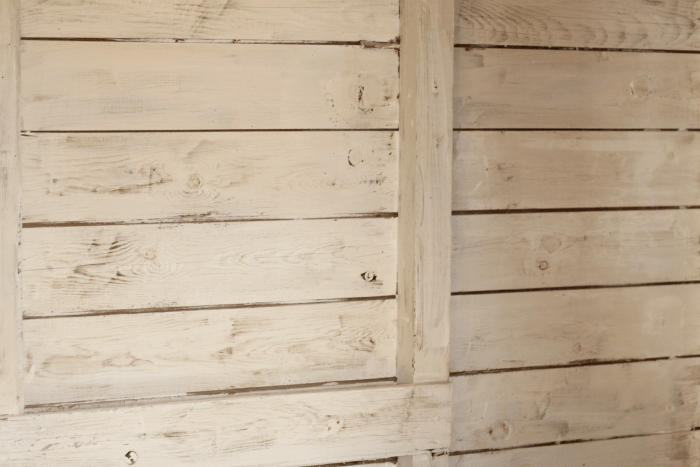
Whitewash is the perfect coating if you desire a bit of sometime-fashioned charm, simply it as well has some practical applications too. The main reason I chose to whitewash my chicken coop is to burnish the dingy, dark wood. Whitewash also has some antibacterial properties, which makes it a handy option for sealing tough-to-make clean surfaces against bacteria and insects.
The biggest downfalls to whitewash is that it is water-soluble, so it volition have to be re-done every so often. It'due south not a nifty option for surfaces that are going to be exposed to the elements, so stick to whitewashing indoor walls/surfaces only.
How to Whitewash Your Befouled and Coop
You Volition Demand:
- 6-8 cups hydrated lime*
- 2 cups common salt
- 1 gallon of water
* Also known as builders lime or masonry lime. This is different than the garden lime that you might sprinkle on your barn floor.
Instructions
1. Combine all the ingredients in a saucepan and mix well. (A wire whisk worked the all-time for me.)
two. Y'all are looking for the whitewash to exist the consistency of pancake batter, so add more than lime or water if you need too. Don't become hung upwards on exact measurements—I sure didn't. Sometimes letting it sit down for an hour or two volition assist it to thicken a scrap.
3. Use a paintbrush or roller to use it to the wooden surfaces of your coop, befouled, or milking parlor.
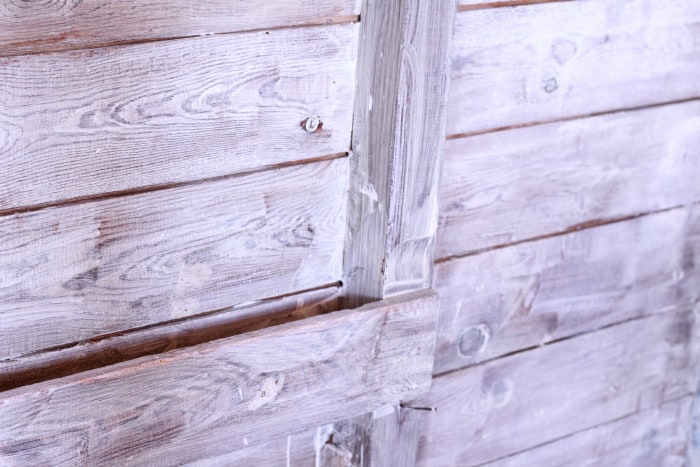
four. Permit it dry (it will turn white every bit it dries) and enjoy the fruits of your old-fashioned labor!
Cautions:
Hydrated lime is a natural substance that is highly caustic. In that location's no reason to be scared of it, but it's important to take the proper precautions while handling it. Wear a dust mask when you are scooping out the dry out lime to avoid getting any into your lungs, and safety glasses and gloves are highly recommended too. If you get a bunch on your skin, it volition make your pare experience super dry and kind of disgusting, but it's simple to wash off with h2o or neutralize with a bit of vinegar.
Notes
- When I first learned how to whitewash and applied my first whitewash, I was pretty disappointed as it appeared as though it was barely roofing the wood. However, I was shocked when I walked back into the coop several hours later to find information technology had dried into a gorgeous, bright white.
- Whitewashing is far cheaper than paint (I but paid nine dollars for a 50 pound bag of lime–that'll make a whole lot of whitewash!), and you don't have to worry well-nigh any paint fumes.
- This is almost effective when used inside a structure. I'one thousand agape information technology would wash off after a few rainstorms if you were to utilise information technology outside.
- I love the expect of "whitewashed" furniture, only I would opt for watered-down white pigment to create that look instead of lime. I'm thinking this recipe wouldn't be the best option for furniture, since information technology volition rub off over time.
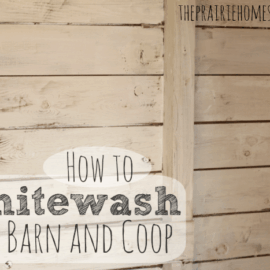
How to Whitewash Your Barn and Chicken Coop
Ingredients
- 6–8 cups hydrated lime *As well known equally builders lime or masonry lime. This is unlike than the garden lime that you might sprinkle on your barn floor.*
- 2 cups salt
- ane gallon of water
Instructions
- Combine all the ingredients in a bucket and mix well. (A wire whisk worked the best for me.)
- You are looking for the whitewash to exist the consistency of pancake concoction, so add more lime or water if you demand too. Don't get hung up on exact measurements—I sure didn't. Sometimes letting it sit for an 60 minutes or two will aid it to thicken a fleck.
- Use a paintbrush or roller to apply it to the wooden surfaces of your coop, barn, or milking parlor.
- Allow it dry (information technology will turn white as information technology dries) and enjoy the fruits of your sometime-fashioned labor!
Looking for more natural, old-fashioned recipes and tips like this one?
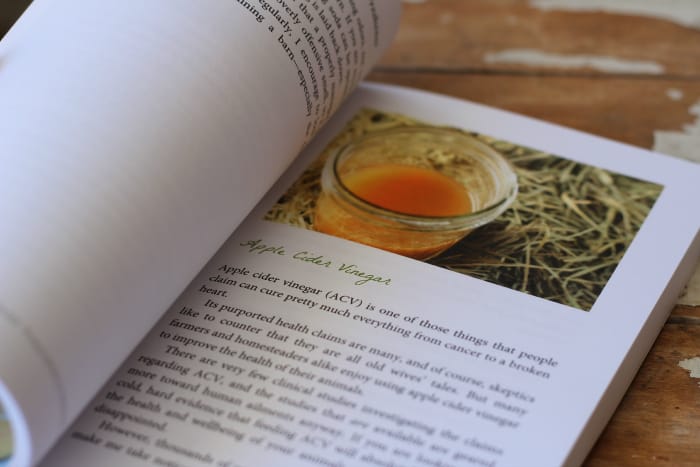
 In Natural Homestead, you'll find everything you need to create a more natural homestead, garden, and barnyard including:
- How to put together anatural supply cabinet
- Ifpumpkin seeds, garlic, diatomaceous earth, baking soda, vinegar, and kelparemerely former wives' tales or are truly beneficial
- Tips for managing parasite loads, how to identify wormy animals, and breakdowns of natural dewormer alternatives
- How to useessential oils in your barnyard and garden
- How to mix upgrain-free, corn-free, and soy-gratuitous rations for your flock
- How to go on your facilities clean,minus the use of harsh chemicals such equally bleach
- How tobattle bugs, fungus, and weeds without using chemicals that are toxic to you lot, your kids, or your critters
In that location'south 40+ recipes, 60+ total-color photos, and lots of old-fashioned wisdom!
Take hold of your copy in Kindle, PDF, OR paperback hither.
Now that you learned how to whitewash, will you be whitewashing your barn and/or craven coop? Tell me near it!
More Homesteading Resource:
- seventy+ Homesteading Hacks
- Does this Homesteading Matter Really Matter?
- Practical Ways We Save Time On Our Homestead
- Cheap Milking Equipment for the Home Dairy
- 6 Strategies for Fly Control in the Craven Coop

Put Essential Oils to Work Effectually Your Homestead!
Principal the ins-and-outs of essential oils on the homestead, no thing what sort of homestead y'all may have! Includes recipes for DIY fly spray formulas, garden pest command sprays, DIY cleaners, and more than! It'southward included as a part of my Free digital homestead library. Enter your all-time email for instant access! >>
Source: https://www.theprairiehomestead.com/2014/07/whitewash-recipe-barn-coop.html

Post a Comment for "Vintage Oil Painting 2 Baby Chickens Near Water"